
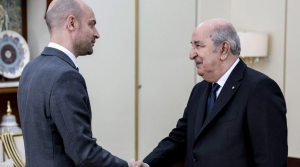
Franco-Algerian relations, already strained, took a sharp downturn on Monday, April 14, when the Algerian government expelled 12 French diplomatic staff, working as police cooperation agents. The decision was motivated by the arrest in France of 4 Algerian citizens, including a consular agent, on kidnapping charges. This bold escalation sent a clear message to the French Interior Minister Bruno Retailleau, the chief architect of a tougher immigration policy: Algiers would not tolerate any pressure or intimidation from Paris. Hoping in vain for a reversal of the decision, France was eventually forced to respond in kind, expelling 12 Algerian diplomatic and consular officials. As a further expression of protest, it recalled its ambassador to Paris for consultations.
With far-right voices demanding his resignation, Foreign Minister Jean-Noël Barrot continues to call for diplomacy as the only path toward restoring bilateral ties with Algeria. So far, diplomacy has led nowhere. Only 8 days after Barrot's visit to Algiers, on April 6, and his announcement of "a new beginning" in Franco-Algerian relations, tensions reach new heights. Algeria continues to refuse the repatriation of Algerian nationals ordered to leave France, and the writer Boualem Sansal - a French-Algerian dual national - remains imprisoned in Algeria despite repeated French requests for his release, citing his age and his cancer illness. Algeria’s firm stance is rooted in a mix of historical memory, resentment toward France’s recent pro-Moroccan position on Western Sahara, and a strengthened geopolitical status as the EU’s third-largest gas supplier, after Norway and the United States.
French diplomacy appears stalled. Paris cannot compel Algiers to take back its citizens. It also fears that continuing with assertive anti-immigration policies toward Algeria could provoke unrest among Algerians living in France. The termination of the 1968 French-Algerian agreement - which facilitates residence permits for Algerians who open businesses or work as freelancers in France - now seems very likely. While such a move might reduce future migration, it does little to address the issue of Algerian nationals involved in criminal activity on French soil.
Minister Retailleau, a central figure in the diplomatic standoff, cannot be removed from office by President Macron. Dismissing him would likely be perceived as a sign of weakness. Moreover, public sentiment appears to support Retailleau’s firm stance: in a recent Le Figaro online poll, 87% of respondents said France had not been tough enough on Algeria. Though not a scientific survey, it reflects a growing sense of frustration. While public opinion demands more firmness, France lacks the necessary tools to implement a tougher policy. If Retailleau is elected president of the Republican Party (right) next month, he could step down from the government to focus on party leadership—potentially opening the door to de-escalation. However, his departure would not necessarily signal a substantial shift in France’s policy toward Algeria, as too much flexibility could pave the way for the French far right. A new approach is urgently needed, and if he cannot come with a strategy, President Macron might reshuffle some other key figures managing this dossier - such as the minister of Justice, the minister of Foreign Affairs, or the ambassador to Algeria.
The Franco-Algerian crisis perfectly illustrates how domestic and international political agendas can quickly intertwine, escalating into full-blown diplomatic standoffs - especially when migration, identity, and sovereignty collide. For now, the French government’s options are limited, caught between public pressure to curb migration, a lack of effective enforcement tools, and an increasingly assertive Algerian government.